What researchers need to thrive: Reflections from the MCAA Annual Conference 2026
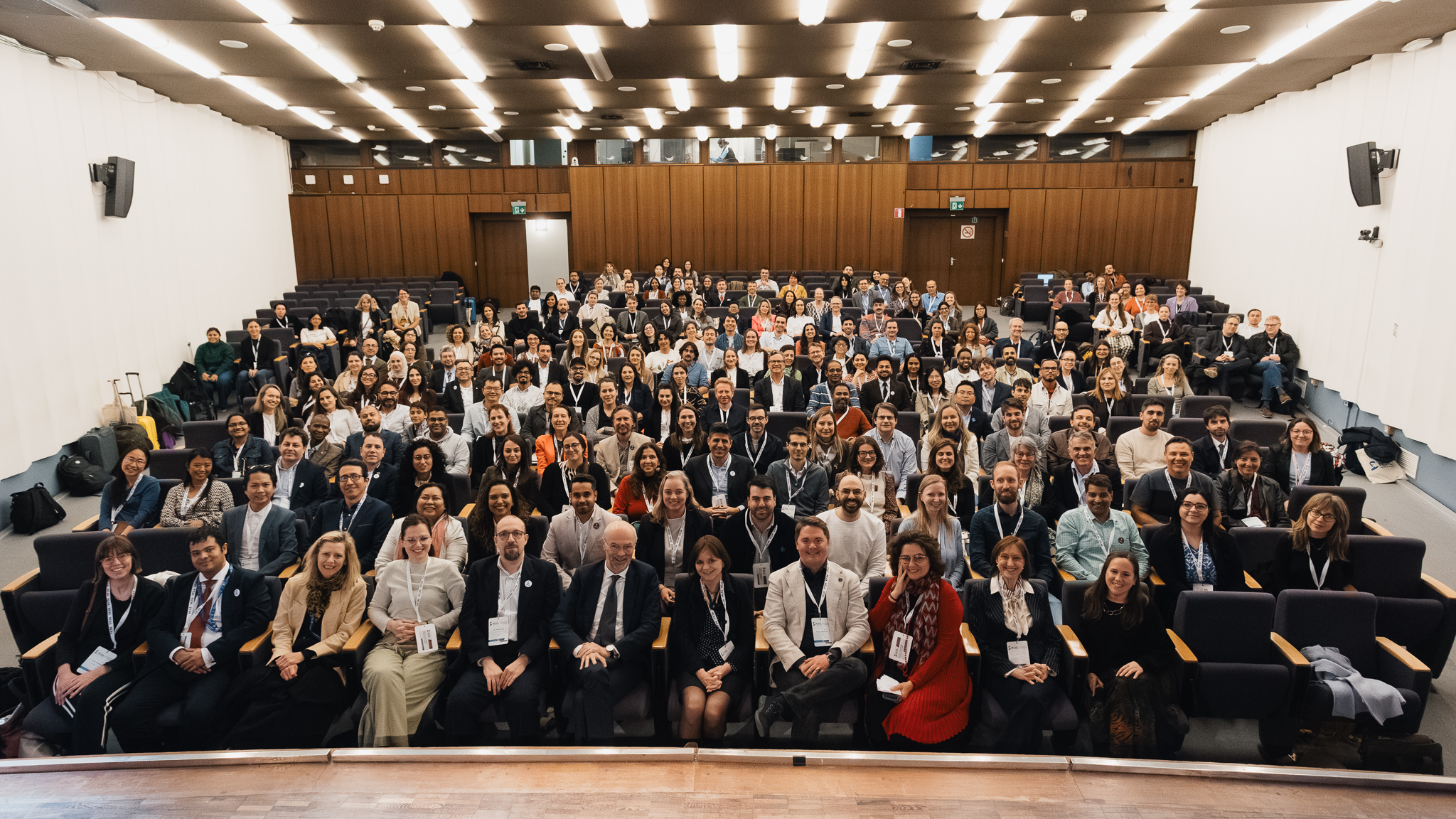
Excellence is often discussed in terms of discoveries, publications, patents, and prizes. Yet throughout the MCAA Annual Conference 2026, a different question repeatedly surfaced: what conditions allow researchers to thrive and produce excellent research in the first place?
That question felt particularly timely as the Marie Skłodowska-Curie Actions (MSCA) programme marked its 30th anniversary. Over the past three decades, the programme has evolved into one of the European Union's most significant investments in research talent, supporting more than 150,000 researchers through training, career development, international collaboration, and mobility, and helping shape generations of scientific careers.
Held in Brussels at the Université Libre de Bruxelles and online under the theme Research careers beyond borders: 30 years of the MSCA, this year’s MCAA Annual Conference provided an opportunity not only to celebrate that legacy but also to reflect on its future. Across plenary sessions, panel discussions, poster presentations, lightning talks, and countless conversations in between, one idea surfaced repeatedly: excellence does not emerge in isolation. It depends on the environments in which researchers work, the opportunities available to them, the communities that support them, and the systems that shape their careers.
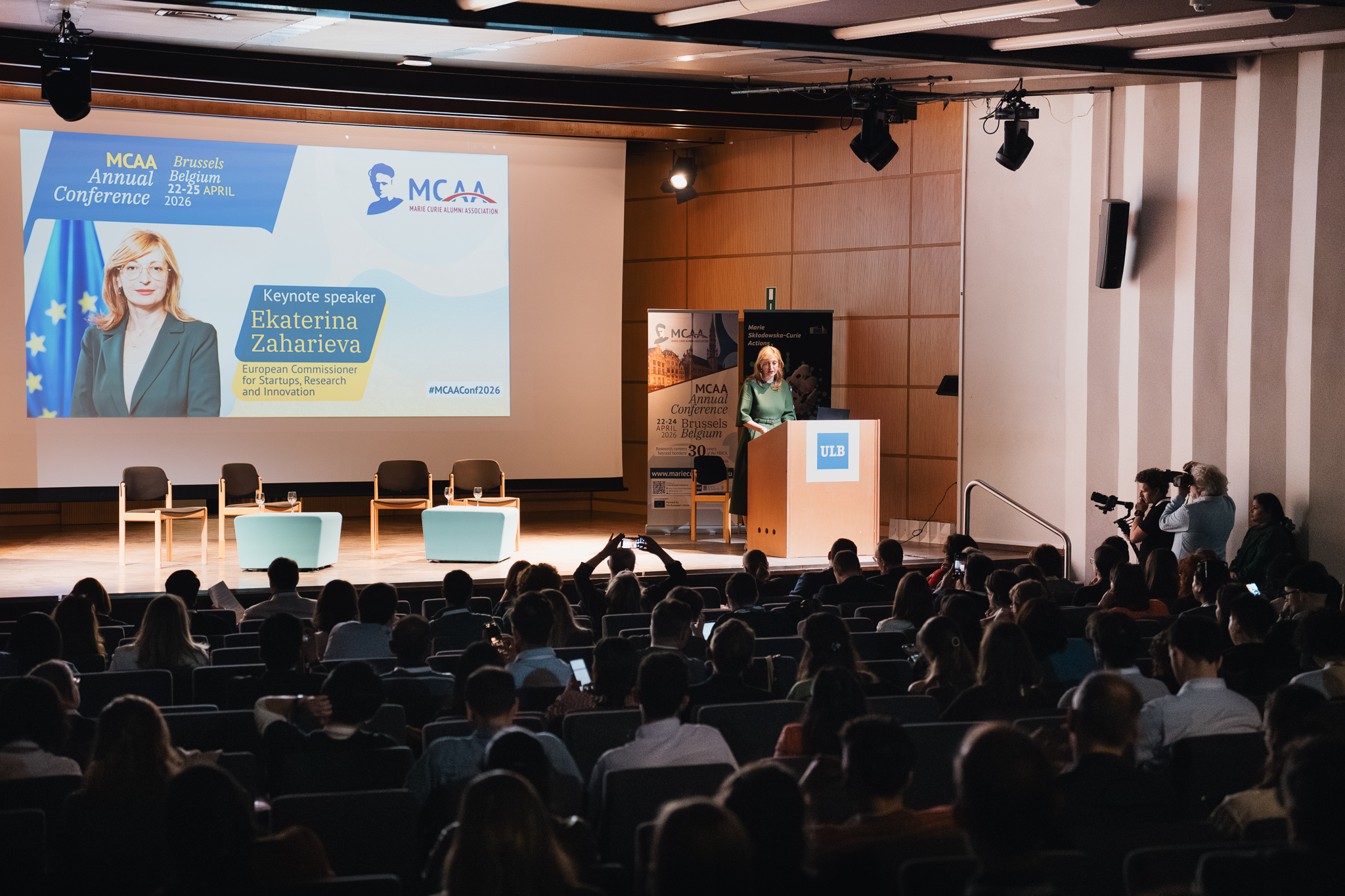
In her keynote address, European Commissioner for Startups, Research and Innovation, Ekaterina Zaharieva, highlighted the success of the MSCA over the past three decades and emphasised the importance of ensuring that Europe remains a beacon of research excellence and talent.
Her remarks set the tone for many of the discussions that followed. Across the conference, participants repeatedly returned to a broader question: what do researchers actually need to thrive? The answer extended far beyond research grants or international mobility, encompassing everything from career sustainability and research culture to scientific freedom, inclusion, and societal engagement.
Mobility and sustainability
Mobility remains one of the defining features of the MSCA experience. For many researchers, moving across countries, disciplines, and sectors opens doors that would otherwise remain closed. It enables new collaborations, exposes researchers to different perspectives, and creates networks that often last throughout entire careers.
Discussions on MSCA-funded networks highlighted how the programme has evolved into a global talent ecosystem, bringing together researchers from across the world while raising important questions about equitable recruitment, recognition of qualifications, and institutional support. The benefits of internationalisation were widely acknowledged, but participants also recognised the practical challenges that accompany increasingly global research communities.
Sessions such as Doctoral Training, Skills and Research Careers and Sustainable Research Careers: Frameworks for the Future highlighted how expectations of researchers have evolved. Doctoral candidates are increasingly expected to develop transferable skills alongside disciplinary expertise, preparing them for opportunities not only within academia but also across policy, industry, entrepreneurship, and civil society. As career paths become more diverse, institutions must adapt to support researchers navigating them. Several speakers also noted that early-career researchers are not merely beneficiaries of change but often drivers of change themselves, helping shape more inclusive, flexible, and responsive research environments.
The conference also explored what happens after mobility. Discussions on reintegration into emerging and under-resourced research environments highlighted the challenges faced by many returning researchers, including limited infrastructure, scarce funding opportunities, delayed career stabilisation, and difficulties translating international experience into long-term professional opportunities. For many participants, these conversations underscored that mobility should not be viewed as an end in itself. Rather, its value depends on whether researchers are able to build sustainable careers during and after their international experiences.
Similar concerns emerged during discussions on the European Research Area (ERA) Act and the broader goal of delivering the fifth freedom across Europe, aimed at strengthening the circulation of knowledge, talent, and innovation. Participants reflected on the need for greater coherence between national systems, stronger social protections for researchers, and less fragmented research careers across Europe.
Practical experiences of scientific mobility reinforced these points. Researchers shared stories of navigating visas, housing markets, healthcare systems, language barriers, and social integration challenges. While international mobility remains one of the most rewarding aspects of a research career, these conversations illustrated that institutional support and peer communities often determine whether mobility becomes an opportunity or a burden.
Together, these discussions underscored that mobility is most valuable when accompanied by the conditions needed for long-term career development.
Research cultures that support excellence
If mobility was one recurring theme of the conference, research culture was another.
Across discussions on mental health, supervision, ethics, integrity, inclusion, scientific freedom, and research assessment, participants repeatedly highlighted that the quality of research cannot be separated from the quality of the environments in which it is produced.
The session Mental Health in Academia: Risks and Strategies to Take into Account addressed the growing pressures faced by researchers, including precarity, isolation, burnout, and uncertainty about future career prospects. Instead of framing wellbeing as an individual responsibility, speakers emphasised the importance of institutional support, peer networks, and cultures of care. The discussion reflected a growing consensus that sustainable excellence requires healthy researchers and healthy workplaces.
Research integrity emerged as a similarly systemic issue. Conversations on ethics and supervision challenged the idea that integrity can be achieved through compliance mechanisms alone. Instead, participants explored how supervision practices, power dynamics, institutional incentives, and organisational cultures shape researchers’ daily experiences. Good supervision was repeatedly described not simply as a management responsibility but as a cornerstone of ethical research environments, researcher development, and scientific quality.
Questions of inclusion and belonging also featured prominently. Discussions on care responsibilities, confidence, and inclusive career pathways highlighted the structural barriers that continue to affect many researchers, including those balancing research careers with family and caregiving responsibilities. Rather than focusing solely on individual resilience, speakers called for institutions to address systemic challenges and create environments where diverse researchers can thrive. One particularly memorable idea was that of casual acceptance, a culture in which inclusion is treated not as an exception, but as an ordinary and unquestioned reality.
The session Freedom of Scientific Research: Protecting Autonomy, Integrity and Safety in a Changing World explored the relationship between scientific freedom and research culture. Several participants argued that protecting scientific freedom requires more than legal safeguards. It also depends on secure careers, supportive institutions, and environments where researchers can pursue challenging questions without fear of professional consequences. Political pressures, precarious employment conditions, institutional constraints, and evaluation systems can all influence the research questions people choose to pursue.
This naturally connected to discussions on research assessment reform. Across multiple sessions, participants questioned whether current evaluation systems adequately recognise the full range of contributions made by researchers. Open Science activities, public engagement, supervision, mentorship, interdisciplinary collaboration, and societal impact often remain secondary to publication-based metrics. An especially thought-provoking point raised during the conference was that research assessment is not only about measuring excellence; it can also shape the boundaries of intellectual risk-taking, interdisciplinary collaboration, and long-term inquiry. If Europe wishes to foster innovation, many argued, it must ensure that researchers are rewarded for the full spectrum of activities that contribute to knowledge creation and societal progress.
The message running through these discussions was remarkably consistent: excellence is not produced solely by talented individuals. It is cultivated through healthy institutions, supportive leadership, fair assessment systems, and research cultures built on trust.
Yet creating supportive research environments is only part of the picture. Many discussions also focused on how researchers engage with the societies their work ultimately seeks to serve.
Connecting research with society
A third major theme running throughout the conference was the increasingly interconnected relationship between research and society.
The sessions Human-centred Open Science: Reimagining Open Science for Societal Engagement and Advancing Citizen Science in Europe challenged participants to think beyond access and transparency. While significant progress has been made in developing policies, infrastructures, and platforms, many speakers argued that the next challenge lies in participation. Open Science is not only about making research outputs available; it is about ensuring that research remains connected to societal needs and that citizens have meaningful opportunities to engage with the research process.
This theme resurfaced in discussions on science communication. In an increasingly multilingual, digital, and Artificial Intelligence (AI)-supported environment, effective communication requires much more than simply translating scientific findings. Researchers must navigate different audiences, communication formats, and expectations while maintaining trust and credibility. Despite rapid technological change, participants repeatedly emphasised that empathy, authenticity, and human connection remain essential.
AI featured prominently throughout the conference, particularly in discussions on Responsible AI in Global Research Careers: From Principles to Practice. Discussions moved beyond technological capabilities and focused instead on practical questions surrounding transparency, authorship, accountability, and responsible use. As AI becomes increasingly integrated into research workflows, researchers and institutions alike are being challenged to establish practices that encourage innovation while safeguarding research integrity.
Beyond research itself, several sessions explored the expanding roles researchers play in addressing societal challenges. Discussions on commercialisation highlighted Europe’s long-standing challenge of helping research-based innovations move from laboratory discoveries to scalable enterprises. The session Empowering Researcher Networks as Strategic Actors in Science Diplomacy examined how researcher networks can contribute to international dialogue and evidence-informed policymaking during periods of geopolitical uncertainty. Sustainability also emerged as a recurring theme, with participants discussing how the 2025 MSCA Green Charter can help embed environmentally responsible practices into research careers, laboratories, and institutions.
Discussions on the future of Horizon Europe brought together many of the themes that had emerged during the conference. Participants highlighted the importance of protecting research autonomy, preserving bottom-up excellence, and ensuring that researchers remain at the centre of future European research and innovation policies. The message was clear: investment matters, but so do the conditions that allow researchers to translate that investment into meaningful impact.
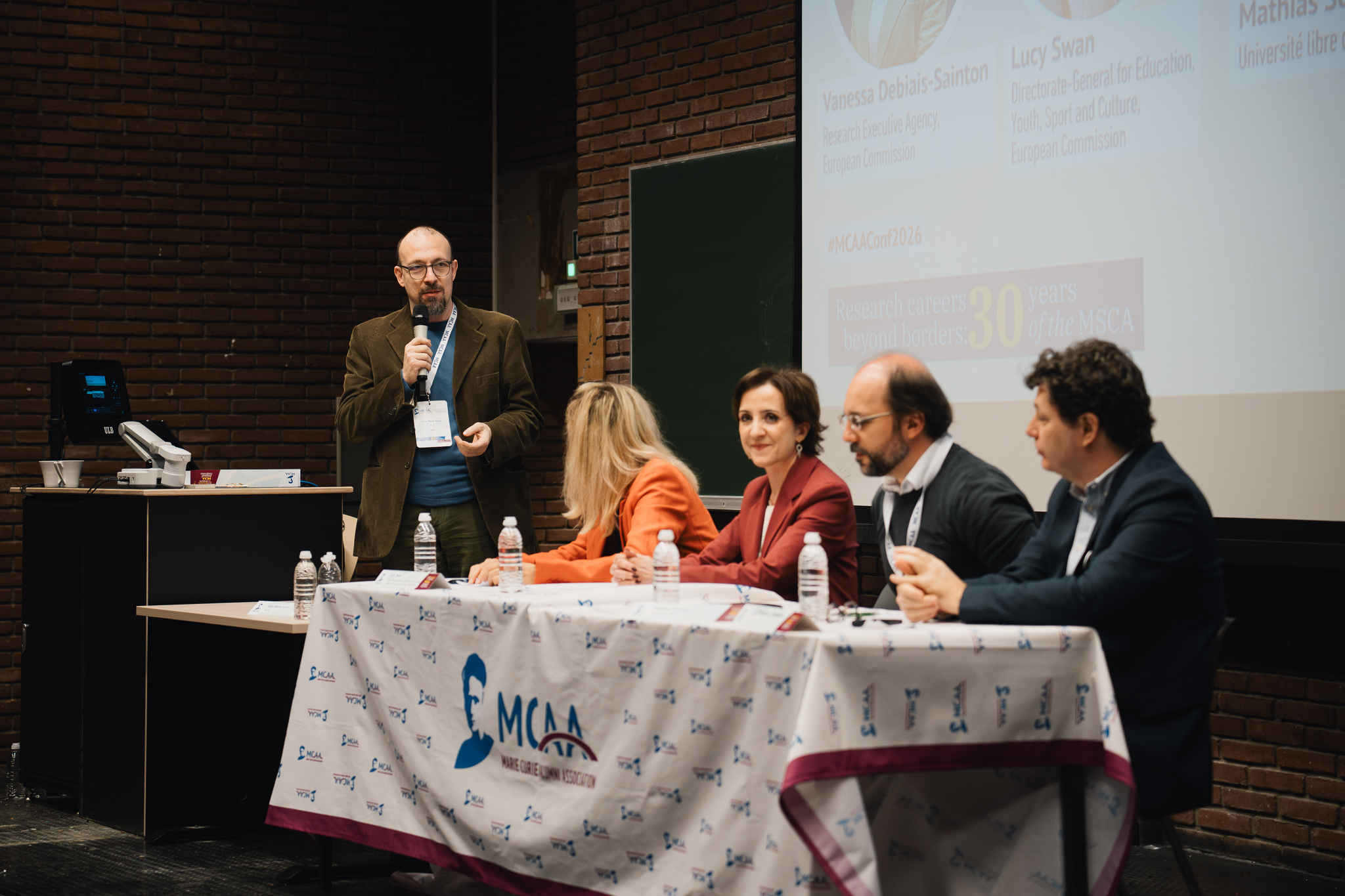
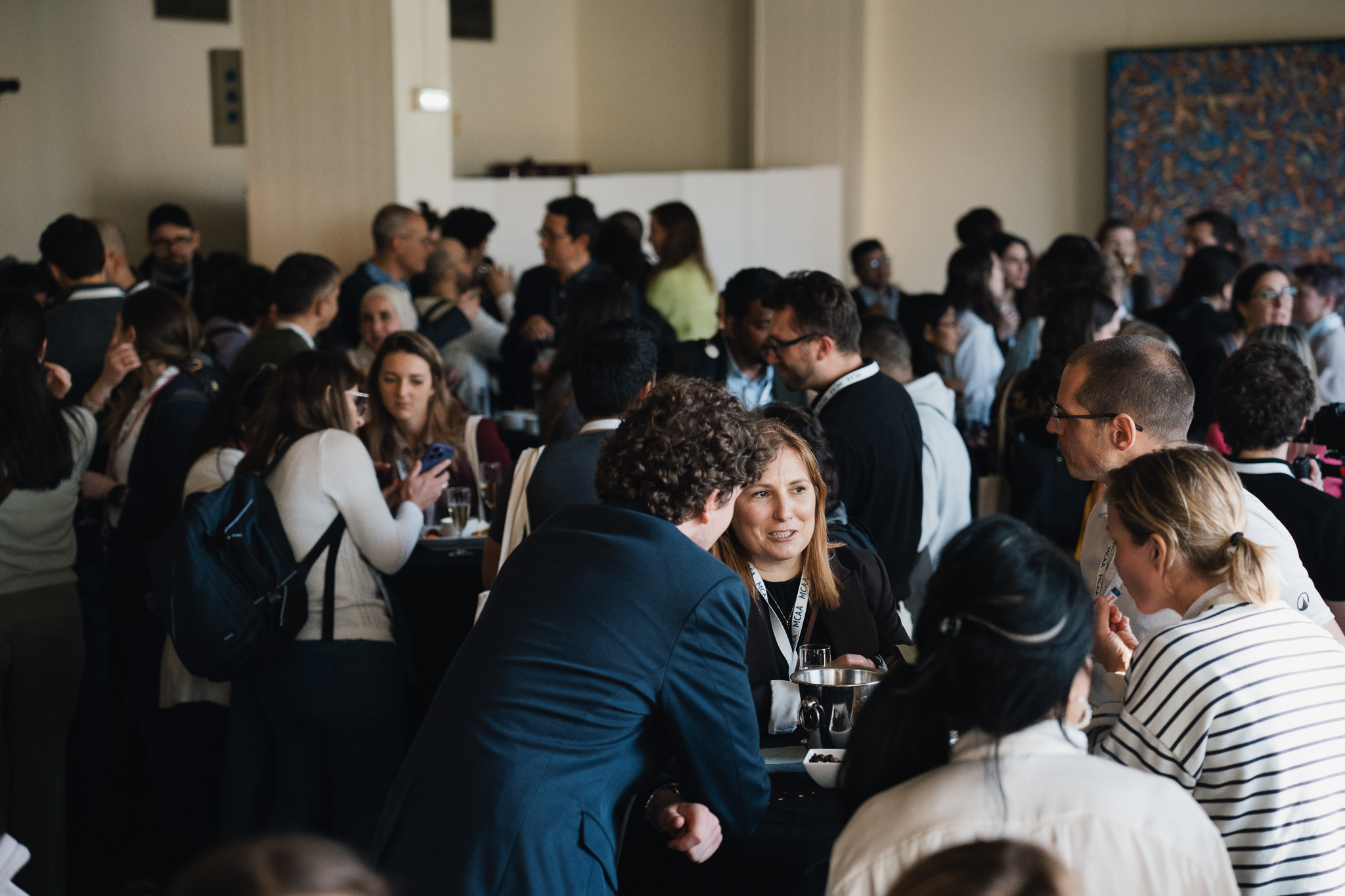
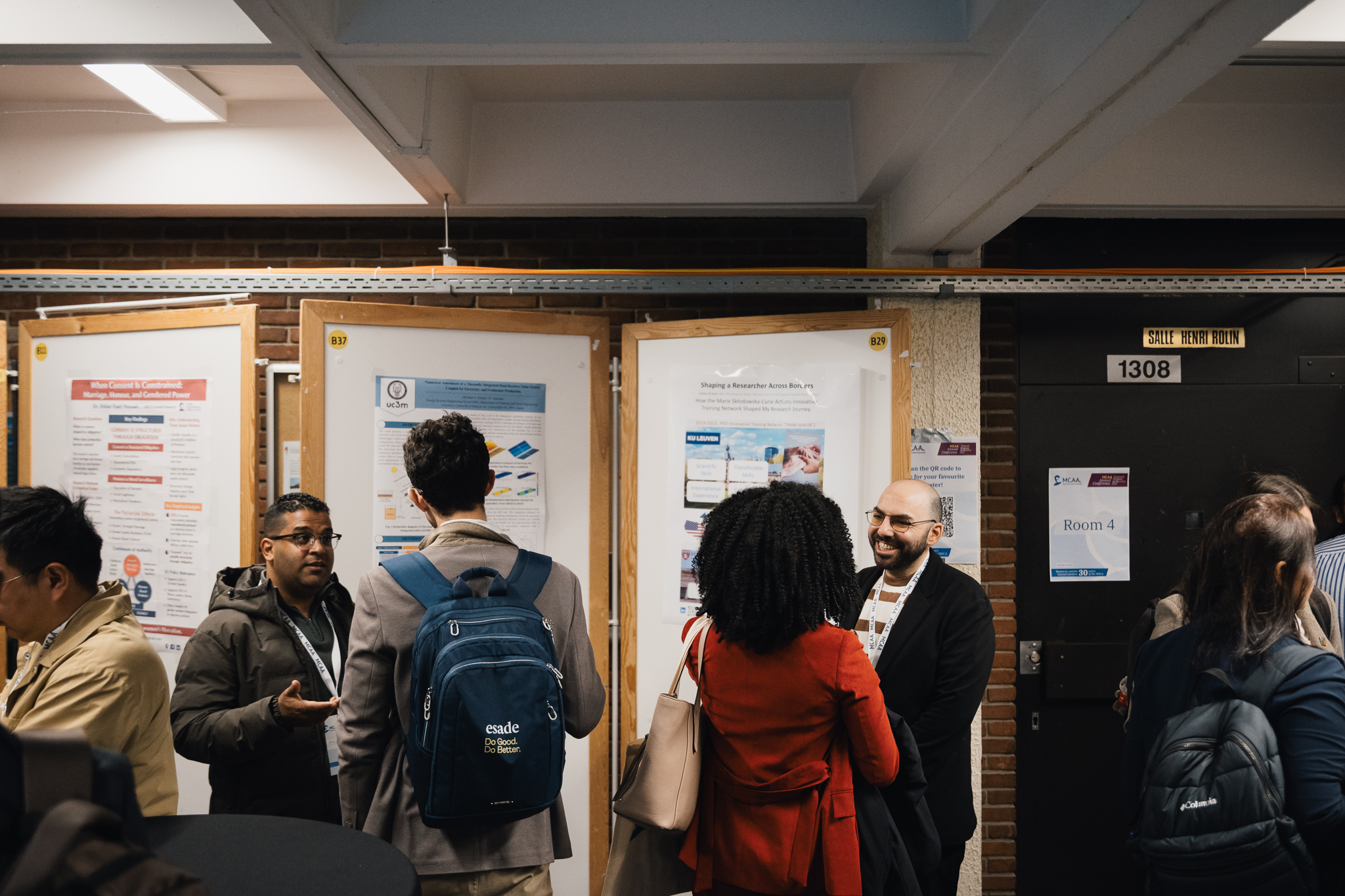
Beyond the formal sessions, poster presentations, lightning talks, Chapter meetings, and Working Group discussions highlighted the diversity of the MSCA community and the value of the connections formed through it. The breadth of topics showcased during the poster session and lightning talks reflected this, spanning disciplines, sectors, and career stages.
These exchanges served as a reminder that research careers are shaped not only by institutions and policies but also by the professional networks and communities that support researchers throughout their journeys.
The conference concluded with reflections on the importance of supporting attractive, sustainable, and inclusive research careers while preserving excellence at the heart of the MSCA. The closing ceremony also marked a special moment as Gian Maria Greco, in his final conference as MCAA Chair, reflected on the Association’s growth and thanked the community whose collective efforts have shaped its success. Together, the final remarks reinforced a message that resonated throughout the conference: research excellence flourishes when researchers are supported by strong communities, enabling environments, and a sense of belonging. As the MSCA enters its fourth decade, that message feels more relevant than ever.
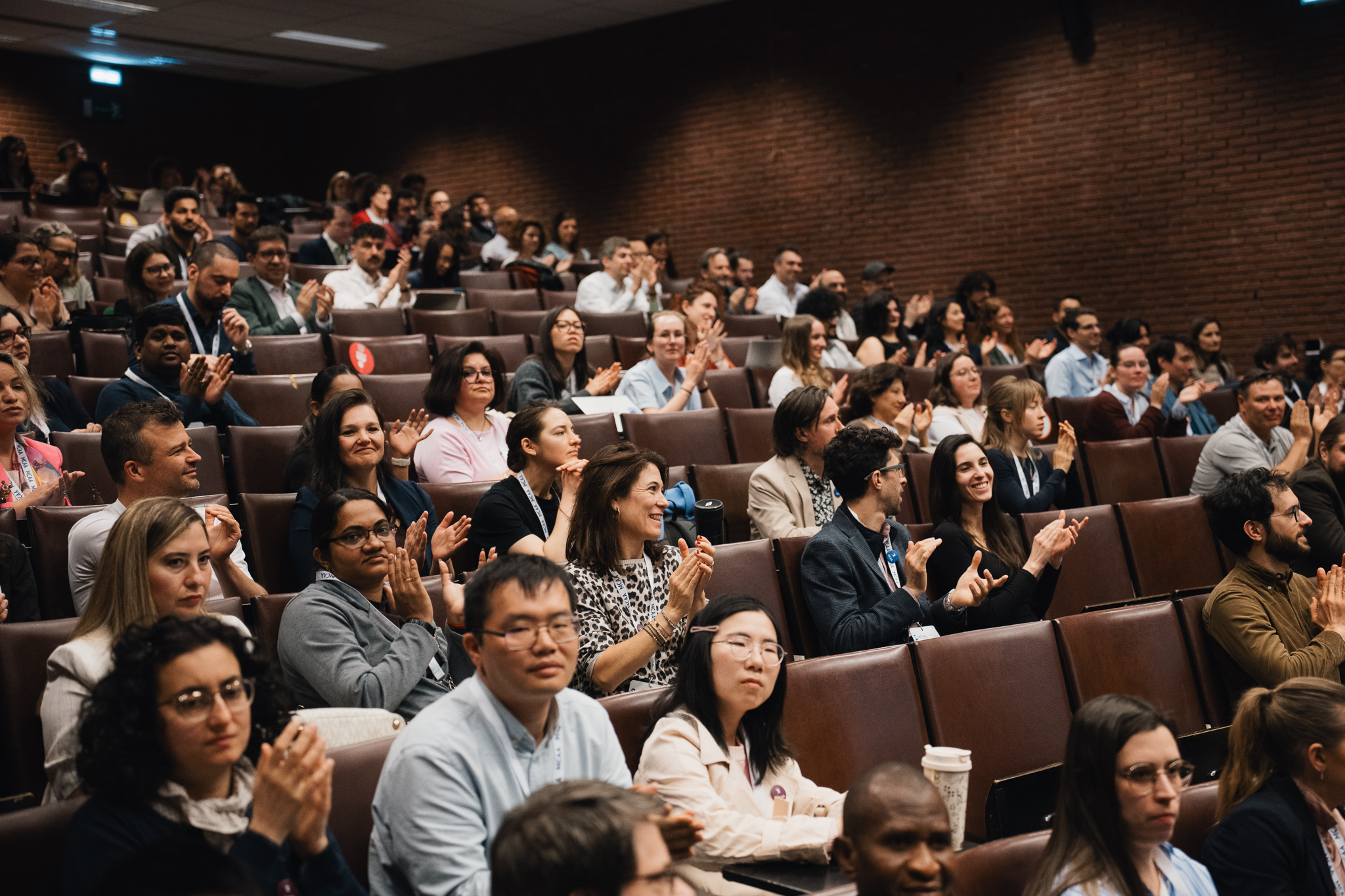
The author would like to thank the session moderators and contributors who provided summaries and reflections from across the conference programme. Their insights were invaluable in capturing the breadth of discussions and themes explored during the MCAA Annual Conference 2026.